Coin Toss: A Clear Guide to the Card-Style Game
Coin Toss
A compact cards-category experience built around quick choices and clearly presented round information.
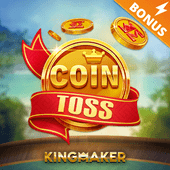
Coin Toss keeps the focus on a simple round and an easy-to-follow choice. Read the on-screen rules first, then use the demo option if available to understand the pace before deciding whether to continue.
In short, start by checking what a selection means and how the result is settled; the experience is easiest to follow when each step and its limits are clear.
More quick-play choices
If you are comparing formats, these related cards and casual games offer different ways to explore a short session. Each item opens through the site's usual play action.

How a Coin Toss round works
The key is to understand the displayed choice and outcome before confirming a round. The exact options, settlement and any eligible rewards are governed by the game screen's rules, so use those details rather than assumptions about a familiar coin flip.
Begin with the instructions and identify the selection available for that round. Check whether the interface shows a stake, a result indicator, or a payout explanation. Once a choice is made, wait for the round to resolve and compare the result with the rules. Coin Toss is easier to follow when you treat every round as a separate decision instead of trying to predict an unseen pattern.
Read the round instructions
Look for the available sides or choices, the timing of confirmation, and how the game identifies a completed result.
Check your settings
Before you act, verify the selected amount, any displayed limits, and whether the round is a demo or a real-money session.
Make one considered choice
Choose only after you know what the screen is asking. Do not rush because a round is quick or because a previous outcome feels meaningful.
Review and pause
After settlement, note what happened and decide whether to stop, continue within your preset limit, or return to the rules.
For first-time visitors, a Coin Toss Demo is a useful way to learn where the rules and controls appear. A demo helps explain the interface; it does not guarantee or predict later results.
Build a steadier Coin Toss routine
Set a limit, check the rules, and judge each choice on its own terms. These habits make a short game easier to manage, but they cannot change random outcomes or promise a win.
These are general decision-making practices, not a strategy for beating chance. If the rules, payment terms, or controls are unclear, pause and seek clarification before continuing.
What progress can mean in Coin Toss
Meaningful progress is understanding the interface and staying within your plan, not accumulating wins. Use personal learning milestones to keep a session grounded; do not assume that any badge, streak, or reward is available unless the game screen confirms it.
A first milestone might simply be finding the help panel and understanding one full round. Another is being able to explain what the selected option means before confirmation. If a displayed achievement uses a different definition, rely on the in-game description rather than this general guide.
A calm exit is also a successful session. You can close Coin Toss after reaching your time or budget limit even if you have not reached a streak, target, or reward threshold. The purpose of tracking milestones is to reinforce informed choices, not to create pressure to play longer.
Coin Toss terms worth knowing
Knowing a few terms makes the game screen easier to interpret. Always use the actual rules for the active version because labels and settlement details can differ between games.
Round
One complete sequence from the point a choice becomes available through confirmation and result settlement. Treat a fresh round as a new event, not as a continuation of a pattern.
Selection
The option you choose before the result is resolved. Confirm that you understand each available choice and that the interface reflects the one you intended.
Stake and limit
A stake is the amount assigned to a round where applicable; a limit is the boundary you choose for time or spending. Keep those concepts distinct and review the displayed amount before proceeding.
Demo mode
A practice environment, when offered, that lets you explore controls and presentation. It is for learning the interface and should not be treated as a source of predictions about paid play.
Settlement
The point when the game records an outcome and applies its stated rules. If the result or balance is not clear, consult the game information and support options before starting another round.
For broader account and offer details, read the Legendlink Ph Bonus guide and check its terms before opting in. The bonus page explains promotions separately from the rules of Coin Toss itself.
When Coin Toss suits a quick session
Choose Coin Toss when you want a concise format and are comfortable checking the outcome rules before each choice. If you prefer a longer decision sequence, a card-hand game may feel more suitable; if you want a different kind of casual interaction, try a neighboring title instead. The best fit is the one whose rules you understand and whose session you can keep within your limits.
The legendlink ph Coin Toss page is intended to orient players, not to make claims about odds or guaranteed returns. Take a moment to compare the available options, note whether a demo is offered, and read any game-specific information before choosing. You can also explore Mega Ace for a contrasting slot format; its pace and rules are different from a compact card-category round.
If a quick round starts to feel repetitive or encourages rushed decisions, switch to a break rather than searching for a recovery pattern. There is no need to keep playing to make a session worthwhile.
Play thoughtfully and take breaks. If you need a reminder about account safety or personal limits, visit the Legendlink Ph Safety guide before your next session.